Coming through your front door should feel like a warm embrace. Creating a space that reflects your personality can also raise your property’s value. This guide to the latest trends in home improvements helps American families plan updates and follow current home improvement trends.
This article helps homeowners assess popular upgrades. It covers innovative materials, smart technology, and stylish designs for modern living. You will learn about sustainable choices, interior style, and exterior curb appeal.
We compare professional contracting with rewarding DIY projects. These choices can help you turn a house into a truly smarter and more stylish sanctuary.
Key Takeaways
- Explore popular renovation ideas that add lasting value to your property.
- Discover how sustainable materials can reduce energy costs and environmental impact.
- Learn about integrating smart technology for a more efficient living space.
- Compare the pros and cons of hiring professionals versus completing DIY tasks.
- Gain inspiration for modernizing both interior layouts and exterior curb appeal.
How to Compare Home Improvement Trends Before You Commit
Evaluating potential home renovation ideas helps separate successful projects from costly mistakes. Instead of chasing each passing style, consider how changes affect daily life and long-term property value.
Compare Upfront Cost, Maintenance, Lifespan, and Resale Value
Every upgrade balances immediate cost with future use. Look beyond the starting price and calculate ownership costs for the next decade.
“The bitterness of poor quality remains long after the sweetness of low price is forgotten.” — Benjamin Franklin
Use these four pillars when assessing any project:
- Upfront Cost: Total materials and labor required.
- Maintenance: Ongoing effort needed to keep the space looking new.
- Lifespan: How many years the materials will last before needing replacement.
- Resale Value: The potential return on investment when you eventually sell.
Separate Lasting Design Shifts From Short-Lived Fads
Social media feeds can make it easy to follow home improvement trends. Yet classic designs often offer lasting value, function, and appeal.
Choose neutral colors and quality materials that support easy updates with accessories. You can refresh the look without renovating every few years.
Questions to Ask About Your Home’s Age, Layout, and Location
Your home’s age, layout, and location help determine which projects add value. A modern kitchen may clash with a historic Victorian home, and structural limits may prevent an open floor plan.
Match your plans to neighborhood standards. Improving far beyond local market value may make your investment hard to recover.
When Professional Installation Offers Better Value Than DIY
Many diy home projects can save money, but some tasks become dangerous when done incorrectly. Complex electrical, plumbing, or structural work often needs professionals for safety and code compliance.
Before starting, compare the cost of possible mistakes with a licensed contractor’s fee. Professional installation may include warranties and peace of mind that DIY work cannot match.
Your Guide to the Latest Trends in Home Improvements
Achieving balance among comfort, efficiency, and style defines a successful renovation. As you explore your guide to the latest trends in home improvements, you see today’s projects favor lasting value over temporary style. Many homeowners want solutions that lower utility costs and improve daily life.
How Modern Home Upgrades Balance Comfort, Efficiency, and Style
Modern home upgrades now offer more than visual appeal. They combine smart technology and sustainable materials to create spaces that serve occupants better. High-performance insulation, efficient appliances, and ergonomic layouts can improve daily comfort.
Current interior design trends favor natural light and organic textures that create calm. Pairing these choices with useful improvements creates a home that feels luxurious and practical. This approach helps your investment pay off through comfort and resale potential.
Comparison Table: Popular Improvements by Cost, Impact, and Complexity
| Improvement Type | Cost Level | Impact | Complexity |
|---|---|---|---|
| Smart Thermostat | Low | High | Simple |
| Kitchen Cabinet Refacing | Medium | High | Moderate |
| Full HVAC Replacement | High | High | Complex |
| Energy-Efficient Windows | High | Medium | Complex |
Best Choices for High-Impact, Lower-Budget Updates
For quick wins, choose projects with immediate visual and practical rewards. These home improvement trends often use small changes that produce major results:
- Upgrading cabinet hardware and lighting fixtures to modernize a room instantly.
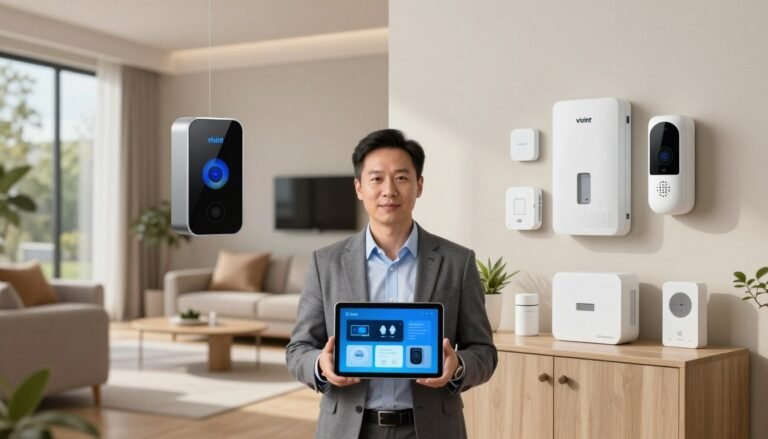
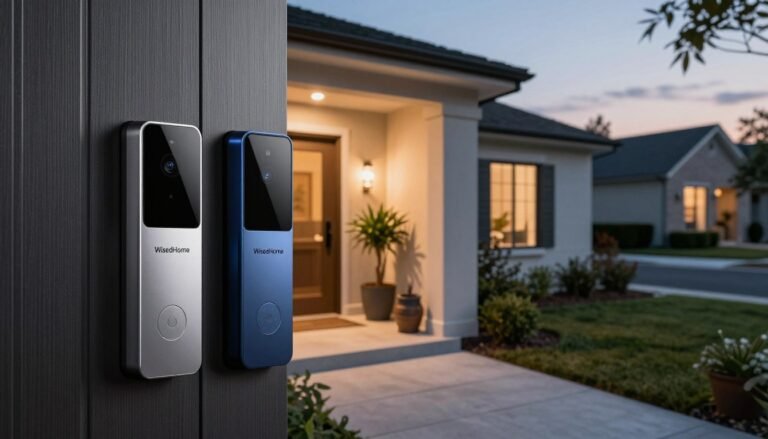
- Installing smart home devices like video doorbells or automated lighting for better security.
- Applying fresh, low-VOC paint to brighten living areas and improve indoor air quality.
- Adding weather stripping to doors and windows to reduce energy loss at a minimal cost.
Best Choices for Long-Term Whole-Home Renovations
For extensive work, prioritize structural and efficiency-based interior design trends for a strong return on investment. These projects need more planning but offer lasting benefits for your property:
- Whole-home insulation upgrades to stabilize indoor temperatures year-round.
- Transitioning to high-efficiency heat pump systems for sustainable climate control.
- Reconfiguring floor plans to create open, multifunctional spaces that adapt to your lifestyle.
- Replacing outdated roofing with durable, energy-reflective materials to protect the home structure.
Open-Concept Layouts, Flexible Rooms, and Smarter Floor Plans
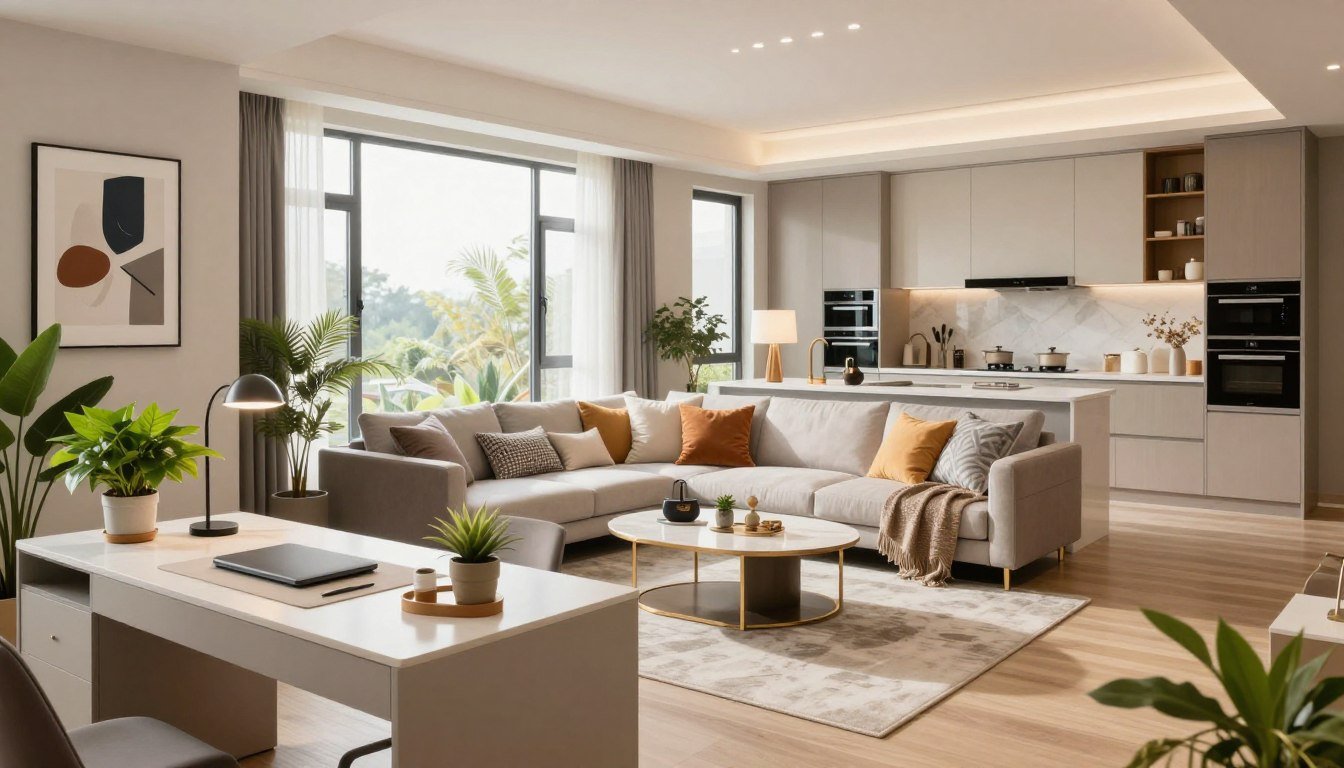
Creating a home that fits your lifestyle requires balance between open spaces and private zones. As homeowners pursue modern home upgrades, they want designs that improve comfort and daily use. A well-planned layout forms the foundation of a spacious, organized home.
Open-Concept Kitchens Compared With Defined Cooking and Dining Zones
Open-concept kitchens remain popular with people who enjoy entertaining and easy social interaction. Removing barriers lets natural light reach deeper into the home and creates an airy feel. However, this choice reduces sound privacy and leaves kitchen messes visible from the living area.
“The best floor plans are those that respect the human need for both connection and solitude.”
Defined zones help families who value noise control and clear functional areas. Partial walls or glass partitions preserve openness while containing cooking odors and sounds. This design suits modern home upgrades that include quiet spaces for work or relaxation.
Multifunctional Rooms for Offices, Guests, Exercise, and Hobbies
Flexible living has made multifunctional rooms common in contemporary architecture. Modular furniture and smart storage can turn one room into an office, guest bedroom, or home gym. This flexibility helps your square footage serve you throughout the day.
When Removing Walls Improves Flow and When It Creates Problems
Removing partitions can greatly improve circulation, but first requires a careful structural assessment. Before removing a wall, assess its effect on heating and cooling efficiency. Large, open spaces often need more energy for temperature control than smaller, enclosed rooms.
Designing Storage Into Flexible Spaces Without Adding Visual Clutter
Good storage helps keep a flexible space clean. Built-in cabinetry and hidden compartments store hobby equipment or office supplies without harming the room’s style. Adding these modern home upgrades keeps the space versatile without creating visual clutter.
| Layout Strategy | Best For | Privacy Level | Flexibility |
|---|---|---|---|
| Open-Concept | Socializing | Low | High |
| Defined Zones | Noise Control | High | Medium |
| Multifunctional | Small Homes | Variable | Very High |
Kitchen Renovation Ideas: Which Upgrades Deliver the Most Value?
When planning your next home renovation ideas, focus on the kitchen for strong impact. Balance daily use with resale value when choosing upgrades. Durable materials and smart layouts can keep the space useful for years.
Quartz, Porcelain, and Natural Stone Countertops Compared
Countertops provide the main work surface in every kitchen. Quartz resists stains because its surface is non-porous and needs little care. Granite and other natural stone offer unique beauty but need sealing to prevent damage.
Porcelain suits modern homes because it resists extreme heat and lasts for years. Costs vary, so choose a material that fits your cleaning habits.
Two-Tone Cabinets, Wood Finishes, and Full-Color Cabinetry
Cabinetry sets your kitchen’s visual character. Two-tone designs, such as dark lower cabinets with light uppers, add depth and interest. Natural wood finishes feel warm and timeless while hiding minor scratches.
Full-color cabinetry, especially matte navy or sage green, creates a bold, modern look. Choose high-quality hardware and soft-close hinges so cabinets handle frequent use.
Large Islands Compared With Compact, Space-Efficient Workstations
A large island anchors a spacious kitchen and adds seating and prep space. In smaller layouts, a compact mobile workstation may work better. These units offer flexibility and free floor space when you are not cooking.
Induction Cooktops Versus Gas and Electric Ranges
Cooking systems shape your daily routine. Induction cooktops are popular for their speed, safety, and energy efficiency. Gas ranges suit professional-style cooking but often need more ventilation and cleaning.
Energy-Efficient Appliances Worth Considering for a Kitchen Remodel
Energy-efficient appliances can cut utility costs and reduce your environmental footprint. Choose models with high water- and electricity-conservation ratings. These smart home renovation ideas can save money and appeal to future buyers who value sustainability.
| Upgrade Type | Durability | Maintenance | Value Impact |
|---|---|---|---|
| Quartz Countertops | High | Low | High |
| Two-Tone Cabinets | Medium | Medium | Medium |
| Induction Cooktop | High | Low | High |
Bathroom Improvements That Combine Wellness, Accessibility, and Efficiency
Transforming your bathroom into a sanctuary means balancing beauty with functional, sustainable home updates. Modern homeowners increasingly choose designs that support long-term health and environmental responsibility without sacrificing luxury.
Curbless Showers Compared With Standard Tub-and-Shower Combinations
Curbless showers offer a seamless, modern look and remove tripping hazards, making them a top choice for universal design. Unlike standard tub-and-shower combinations, which require stepping over a high ledge, these walk-in entries provide easy access for all ages.
Traditional tubs often suit families with small children, but curbless designs can raise a home’s resale value. They create an open, airy feel that makes even small bathrooms seem much larger.
Walk-In Tubs, Grab Bars, and Universal Design Features
Adding safety features does not mean giving up style. Modern grab bars now come in sleek, designer finishes that blend with high-end hardware.
Walk-in tubs provide therapeutic comfort for people with limited mobility, offering deep soaking and easy-access doors. These sustainable home updates ensure that your living space remains comfortable and safe as your needs evolve over time.
Large-Format Tile, Terrazzo, and Water-Resistant Wall Finishes
Choosing the right materials supports easy care and long life. Large-format tiles reduce grout lines, making cleaning easier and keeping the space pristine.
Terrazzo remains a popular, durable choice that adds texture and character to bathroom walls and floors. When paired with high-quality, water-resistant finishes, these materials protect your home from moisture damage while keeping a refined look.
Water-Saving Fixtures That Reduce Consumption Without Sacrificing Performance
High-efficiency showerheads and faucets are key parts of sustainable home updates. These fixtures use advanced aeration technology to maintain strong water pressure while drastically lowering daily water consumption.
Investing in these upgrades helps reduce utility costs and limits your environmental footprint. You can enjoy a spa-like experience while knowing your home operates at peak efficiency.
Heated Floors, Better Ventilation, and Built-In Bathroom Storage
Heated floors provide comfort during colder months, turning a chilly morning routine into a luxurious experience. Proper ventilation is equally important, as it prevents mold growth and maintains air quality by quickly removing excess humidity.
Finally, built-in storage solutions keep counters clear and organized. By integrating these elements, you create a functional, efficient, and relaxing environment that serves your household for years to come.
Sustainable Home Updates for Lower Energy and Resource Use
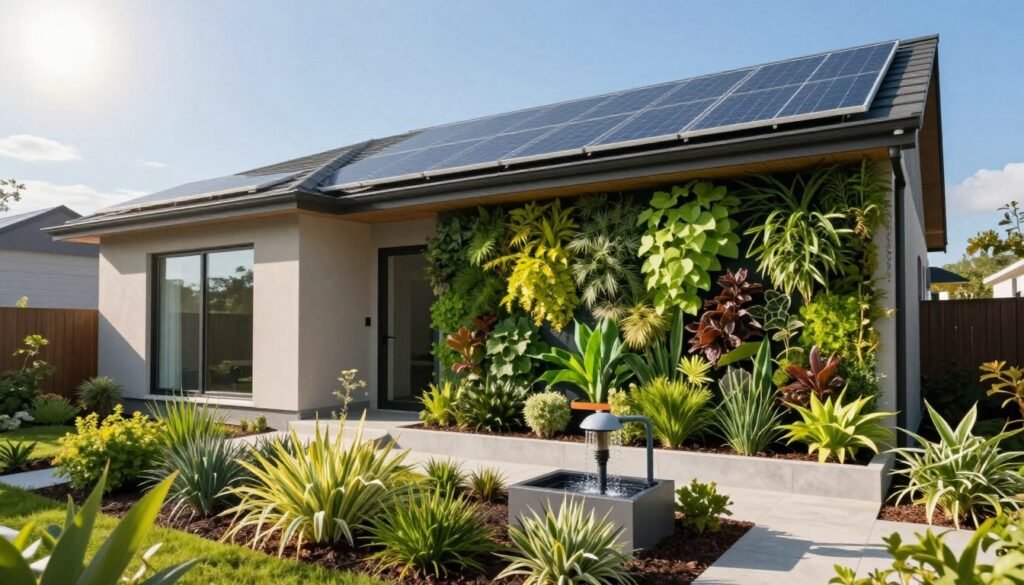
Sustainable home updates can lower long-term costs and protect the environment. Choosing the right materials and systems can cut your carbon footprint and raise your property’s value. These modern home upgrades improve efficiency, durability, and indoor health.
Heat Pumps Compared With Traditional Furnaces and Air Conditioners
Heat pumps set a high standard for efficient climate control. Traditional furnaces burn fuel to create heat, but heat pumps move heat from air or ground. This process is remarkably efficient, often providing three times the energy output for each unit of electricity used.
| System Type | Energy Efficiency | Maintenance Needs | Primary Benefit |
|---|---|---|---|
| Heat Pump | High | Moderate | Dual heating/cooling |
| Gas Furnace | Moderate | High | Fast heat delivery |
| Electric AC | Low to Moderate | Low | Cooling only |
Solar Panels, Battery Storage, and Utility Incentives
Solar energy lets homeowners make their own power and rely less on the grid. With battery storage, these systems can provide power during outages. Many regions offer utility incentives and tax credits, making these modern home upgrades more affordable than before.
Reclaimed Wood, Recycled Materials, and Low-VOC Finishes
Sustainable materials matter as much as energy use. Reclaimed wood adds character while reducing deforestation, and recycled materials reduce demand for new manufacturing. Low-VOC finishes help keep indoor air clean and protect your family from harmful chemicals.
Insulation, Air Sealing, and High-Performance Windows
Before adding complex systems, make sure your home’s envelope is tight. Proper insulation and air sealing keep conditioned air inside and lower energy bills. High-performance windows form a thermal barrier, keeping your home comfortable in any outside temperature.
How Regional Climate Should Influence Sustainable Renovation Choices
Your location helps determine which sustainable home updates offer the best return on investment. Hot, humid climates benefit from efficient cooling and moisture control. Colder regions need strong insulation and heating performance to maintain comfort.
With smart home technology, you can monitor these systems in real-time. Tracking energy use helps you adjust habits and improve efficiency. Ultimately, the best renovation strategy balances local climate, available incentives, and your building’s condition.
Smart Home Technology: Convenience Versus Cost and Complexity
Adding smart home technology can improve efficiency and daily comfort. Yet these systems may bring technical challenges and high upfront costs. Homeowners should weigh these trade-offs before modernizing their properties.
Smart Thermostats Compared With Whole-Home Energy Management Systems
Many homeowners begin with a smart thermostat. It learns your schedule and adjusts heating and cooling, which may reduce energy use. A whole-home energy management system tracks electricity use across the entire panel and every appliance.
Thermostats cost less and are easier to install. Management systems need professional setup and reveal more about consumption patterns. Choose based on whether you want simple climate control or complete energy transparency.
Connected Lighting, Motorized Shades, and Occupancy Sensors
Automated lighting and shades can improve a room’s mood. Connected lighting lets you change brightness and color temperature by smartphone or voice command. With motorized shades, it can create a comfortable setting for any time of day.
Occupancy sensors save energy by turning lights off when rooms are empty. These parts work best within one unified ecosystem. This setup avoids the frustration of using separate apps for each device.
Smart Locks, Video Doorbells, and Home Security Systems
Security drives many people to adopt smart home technology. Smart locks provide keyless entry and let you give guests remote access. Video doorbells monitor your porch in real time and add protection.
Complete security systems may combine these devices with motion detectors and window sensors. Individual devices are easy to manage, but coordinated systems offer greater peace of mind. During emergencies, they help security hardware communicate effectively.
Compatibility With Apple Home, Google Home, and Amazon Alexa
Smart home technology works best when devices share a platform. Most modern devices support Apple Home, Google Home, or Amazon Alexa. Checking for compatibility before purchase helps ensure that your devices work together smoothly.
Privacy, Cybersecurity, Internet Dependence, and Product Longevity
Connected devices require careful attention to digital safety. Use strong, unique passwords and enable two-factor authentication to protect your network. Many devices also need a stable internet connection to work properly.
Also, check the manufacturer’s long-term support. Some products may lose features when companies stop providing software updates. Reputable brands often offer better security and longer service.
| System Type | Upfront Cost | Installation Complexity | Primary Benefit |
|---|---|---|---|
| Smart Thermostat | Low | Simple | Energy Savings |
| Connected Lighting | Moderate | Moderate | Ambiance Control |
| Security System | High | Complex | Safety & Monitoring |
| Energy Management | High | Professional | Total Consumption Data |
Exterior Home Improvements That Strengthen Curb Appeal and Protection
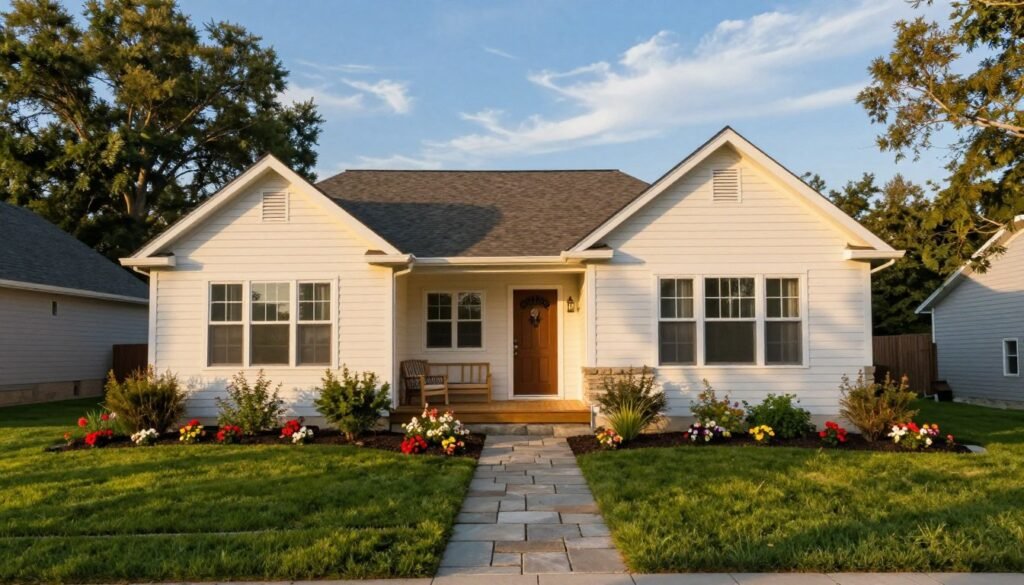
Your home’s exterior is the first defense against the elements and shapes your property’s character. Smart exterior home improvements refresh curb appeal, protect your investment from harsh weather, and reduce future maintenance. Choosing the right materials helps your home stay beautiful and structurally sound for years.
Fiber Cement, Vinyl, Brick, and Engineered Wood Siding Compared
Siding protects your house, and your material choice affects future upkeep. Fiber cement resists fire and lasts well, while mimicking wood without rotting. Vinyl is popular and budget-friendly because it needs little care, while brick offers timeless, high-end protection for generations.
Engineered wood offers a natural look with better resistance to moisture and pests. When choosing siding, consider local conditions, such as high humidity or extreme temperature swings, for maximum life.
Metal Roofing, Asphalt Shingles, and Solar Roofing Options
The roof is one of the most important parts of your home’s defense system. Asphalt shingles offer affordable, easy installation, but they last less time than premium options. Metal roofing resists weather well and can last over fifty years, making it a smart long-term investment.
If you want to lower utility costs, solar roofing places energy production directly in the structure. These modern systems pair sleek looks with useful power generation, turning your roof into a renewable energy asset.
Outdoor Living Areas With Patios, Decks, Covered Porches, and Kitchens
Expanding living space outdoors creates a smooth link between your home and nature. Patios and decks support relaxation, while covered porches shield you from sun and rain. An outdoor kitchen can raise your home’s entertainment value and attract future buyers.
Low-Maintenance Landscaping With Native Plants and Permeable Surfaces
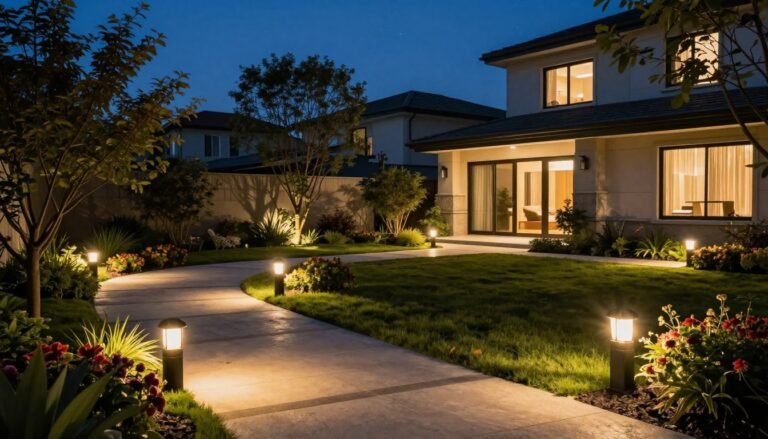
Effective landscaping supports sustainability and cuts the time spent on yard work. Native plants help gardens thrive with little water or chemical treatment. Adding permeable surfaces to walkways and driveways improves drainage and helps prevent foundation water damage.
Exterior Lighting, Entry Doors, and Garage Door Upgrades
Small details can greatly improve your home’s appearance and security. Upgrading your entry door improves energy efficiency and creates a better first impression. Modern garage door upgrades and smart exterior lighting also improve safety and give your property’s facade a polished, unified look.
Interior Design Trends for More Comfortable and Adaptable Spaces
Your home should feel like a sanctuary that adapts to changing lifestyle needs over time. Choose interior design trends that balance function and style to build a foundation for daily habits. This creates a fresh space with lasting use and room for personal updates.
Warm Minimalism Compared With Maximalist Color and Pattern
Warm minimalism uses clean lines and a neutral palette, then adds softness through organic shapes and cozy textiles. It creates a calm room that is easy to maintain and keeps comfort central. Maximalist design uses bold colors, detailed patterns, and layered collections to show personality.
“Design is not just what it looks like and feels like. Design is how it works.” — Steve Jobs
Maximalism creates a lively, energetic room but may take more effort to keep organized. Your choice between these two interior design trends depends on your preferred atmosphere. You may want a serene retreat or a room filled with visual complexity.
Natural Materials, Textured Walls, and Layered Lighting
Natural materials, such as stone, wood, and linen, bring earthy warmth to any room. Textured walls, including lime wash or subtle wallpaper, add depth without extra decor. Layered lighting combines ambient, task, and accent fixtures, so you can change a room’s mood throughout the day.
Built-In Storage Compared With Freestanding Furniture Solutions
Built-in storage creates a seamless, custom look and uses every square inch of your home. It hides clutter and helps maintain a clean style. Freestanding furniture lets you rearrange your layout whenever you refresh your space.
| Feature | Built-In Storage | Freestanding Furniture |
|---|---|---|
| Flexibility | Low | High |
| Cost | Higher | Variable |
| Maintenance | Low | Moderate |
Durable Flooring Options for Families, Pets, and High-Traffic Areas
High-traffic areas need flooring that balances style with extreme durability. Luxury vinyl plank and engineered hardwood are popular choices because they resist scratches and moisture better than traditional solid wood. These materials help floors stay beautiful in busy homes with pets or children.
How to Use Trend-Forward Accents Without Designing a Room Around a Fad
Following every new style can be tempting, but trend-forward accents offer a smarter update. Choose easy-to-swap items, such as throw pillows, artwork, or decorative hardware. Keep larger investments neutral to protect your budget and avoid a full renovation when styles inevitably shift.
DIY Home Projects Versus Professional Renovation Work
Choosing between a DIY project and a professional is a key step in any home renovation. Saving money can be tempting, but first understand the scope of your home renovation ideas. Match your skills to the task’s complexity to keep your home beautiful and useful.
DIY-Friendly Updates: Painting, Hardware, Shelving, and Landscaping
Many homeowners find that simple style changes are a good start for diy home projects. Painting walls, changing cabinet hardware, and installing floating shelves need few special tools. These updates create strong visual impact without advanced technical training.
Landscaping is another area where hard work can save money. Planting shrubs, spreading mulch, and building basic garden beds can greatly improve curb appeal. These manageable projects let you reserve money for more complex professional installations.
Projects That Require Licensed Electricians, Plumbers, or Structural Contractors
Some tasks have risks and require a licensed professional. Electrical wiring, gas lines, and plumbing systems must follow local building codes. Without proper certification, repairs can create dangerous fire hazards or costly water damage.
Structural changes, such as removing load-bearing walls or changing the roofline, need professional oversight. These projects may need architectural drawings and structural engineering reports to protect your home’s integrity. Experts handle these high-stakes tasks, protecting your investment and safety.
Comparing DIY Savings With Permit, Tool, Material, and Error Costs
When judging home renovation ideas, look beyond the material price. You may save on labor, but include specialized tools, permit fees, and possible errors. A complex mistake may cost more to fix than hiring a professional from the start.
Safety Checks for Electrical, Plumbing, Roofing, and Demolition Work
Safety must always come first during renovation. Before work begins, assess these areas:
- Electrical: Ensure all circuits are off and use a voltage tester before touching any wires.
- Plumbing: Verify that you have the correct shut-off valves and leak-detection tools.
- Roofing: Use proper fall protection and never work in wet or windy conditions.
- Demolition: Check for hidden hazards like asbestos, lead paint, or live electrical lines behind walls.
How to Vet Contractors, Compare Bids, and Define the Project Scope
If you hire a professional, vet them carefully. Request proof of insurance, check their license, and ask for past client references. Compare bids with the same work scope to avoid hidden costs.
A written contract offers your best protection during a renovation. Clearly define the project schedule, material allowances, and process for handling change orders. This planning keeps work on track and prevents misunderstandings.
Conclusion
Successful property upgrades balance cost, comfort, and long-term value. Your guide to the latest trends in home improvements helps you make informed choices for your lifestyle.
Choose features that improve daily life instead of following every short-lived style. Smart homeowners consider how home improvement trends affect resale value and energy efficiency. Check your regional climate and personal budget before beginning a major project.
Explore home renovation ideas that suit your unique space. Whether you update your kitchen, bathroom, or exterior, choose durable, quality materials. These interior design trends should support your family for years.
Compare your skills with the project’s complexity before choosing professional help or DIY work. Thoughtful exterior home improvements protect your investment and improve curb appeal. Start your next project with a clear plan that respects your financial goals and future adaptability.