Ever thought your house could know what you need before you even get home? Imagine a home where lights, security, and climate work together perfectly.
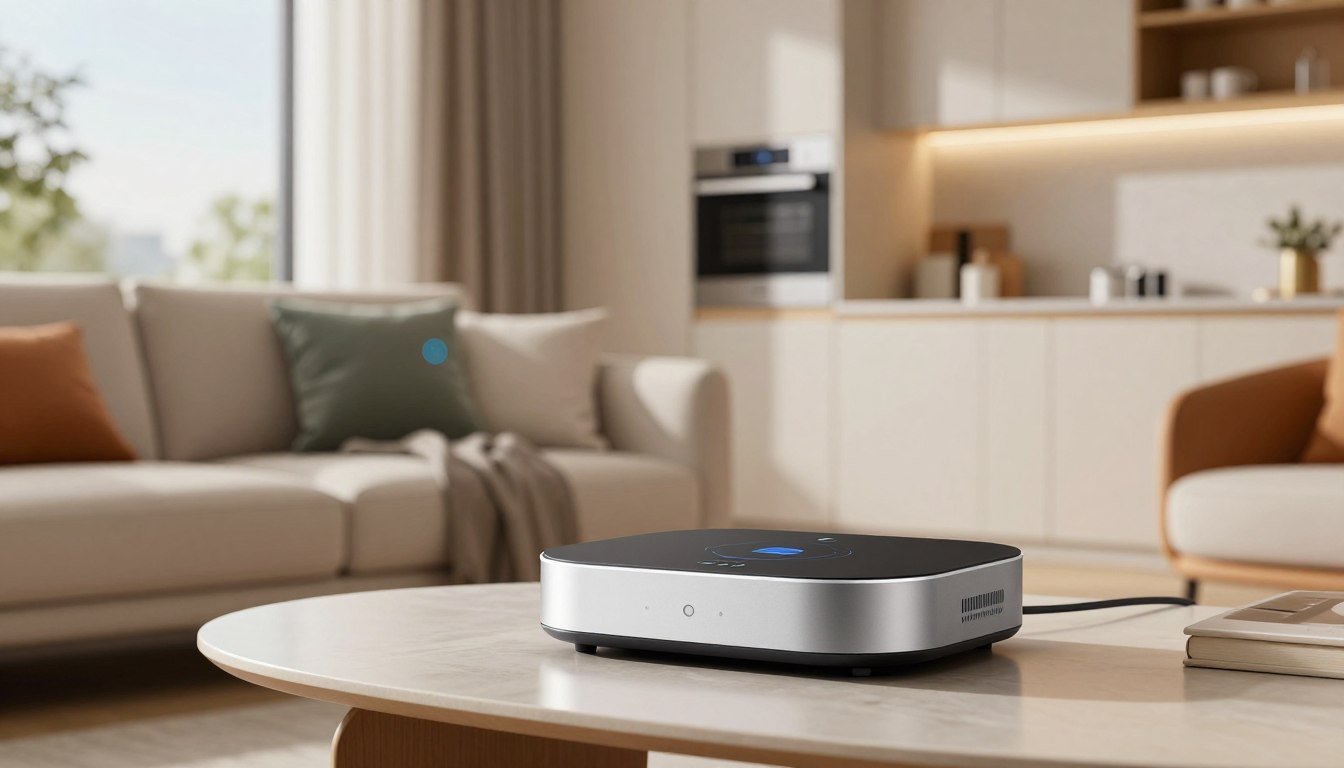
Finding the best smart home hub in 2026 unlocks this convenience. It’s the main hub for your digital world, making sure everything works together smoothly.
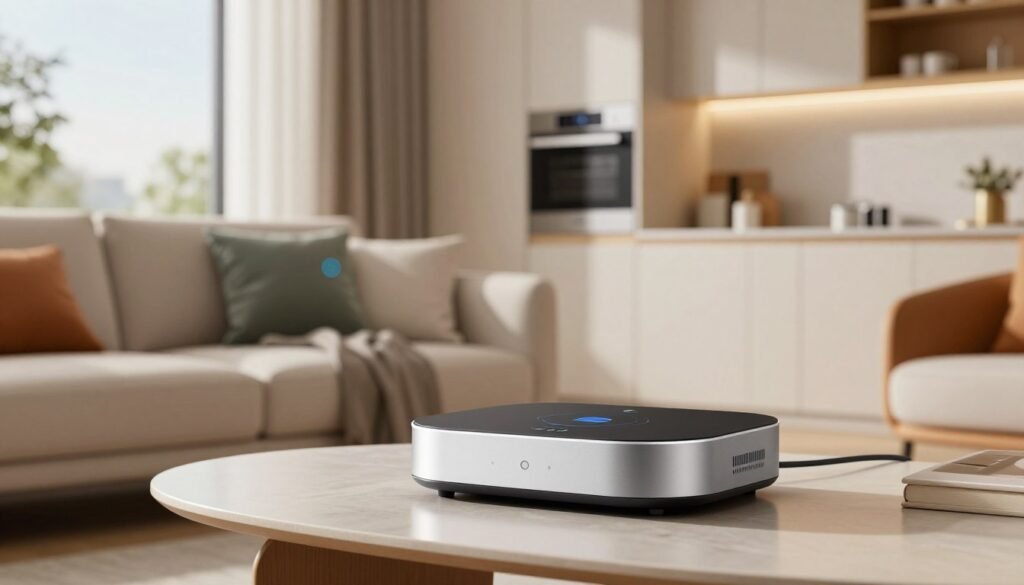
With one central control, you say goodbye to app juggling. Our guide helps you make smart choices for a simpler life. See how the best smart home hub in 2026 turns your home into a smart, efficient space.
Key Takeaways
- Centralized control creates a seamless and responsive living environment.
- Modern controllers unify disparate devices into one cohesive ecosystem.
- Proper selection improves energy efficiency and home security management.
- Reducing app clutter simplifies your daily interaction with technology.
- Informed choices today ensure your system remains future-proof for years.
The Evolution of Smart Home Automation in 2026
Modern smart home automation has moved away from cloud servers. Before, a simple internet outage could shut down your whole house. Now, homes stay functional even without internet.
This change is huge for those who want uninterrupted performance. With data processing at home, smart systems respond almost instantly. No more waiting for a signal to turn on a light.
Platforms like Home Assistant show this trend by working locally. They need little cloud help. This means your devices stay connected, even when the internet is down. Reliability and speed are key for smart home fans now.
Looking at today’s top home automation systems, you’ll see a focus on privacy and stability. Your commands are processed at home, keeping your data safe. This change makes smart homes more secure and highly efficient.
Criteria for Selecting the Best Smart Home Hub in 2026
Choosing the best smart home hub in 2026 is more than just connecting devices. It’s about finding a central hub that makes everything work smoothly. This hub should connect different brands into one system.
When picking a hub, compatibility is key. Look for support for Matter, Thread, and Zigbee protocols. This lets your current devices work together and makes room for future ones. A hub that only works with one brand can be a hassle.
Privacy is also crucial for the best smart home hub in 2026. Apple HomeKit is a good example. It keeps your data safe by processing things locally. Make sure your hub has strong encryption and clear data policies.
It’s also important for the hub to be easy to use. The best hubs have intuitive mobile apps and work well with voice commands. If it’s easy to set up, you’ll enjoy your smart home more.
Lastly, think about the long-term benefits. The best smart home hub in 2026 should get regular updates to stay safe. Choose a hub with a history of good support for a secure and functional home for years.
Smart Home Hubs: Top-Tier Performance
Turning your home into a smart space starts with a key device. The right hub is crucial for your smart home to work smoothly. We’ve looked at two top choices to help you pick the best one for your home.
Samsung SmartThings Station
Overview
The Samsung SmartThings Station is a top choice for a seamless smart home experience. It connects different devices easily, making your home smart.
Pros
- It’s very easy to set up, perfect for beginners.
- It has a wireless charging pad for your phone.
- It works well with many smart home brands.
Cons
- It’s mainly for Samsung users.
- It doesn’t offer much for advanced users.
Features
This device supports the latest smart home tech. It also has a button for quick automation.
Recommendations
Choose this hub if you want ease and already use Samsung phones. It’s great for those who don’t want to deal with complex settings.
Conclusion
The SmartThings Station makes your home smart and easy to use.
Home Assistant Green
Overview
Home Assistant Green is for those who want full control. It keeps your data safe and private.
Pros
- It keeps your data safe without using the cloud.
- It has a huge library of integrations.
- It’s stable and great for complex setups.
Cons
- It’s hard for beginners to use.
- Setting it up takes time.
Features
This hub runs powerful software. It works with thousands of devices from all brands.
Recommendations
It’s perfect for tech lovers who want a custom smart home. It’s great for those who enjoy complex setups.
Conclusion
Home Assistant Green is top for those who value control and reliability.
| Feature | SmartThings Station | Home Assistant Green |
| Setup Difficulty | Very Easy | Moderate |
| Privacy Level | Cloud-Based | Local-First |
| Customization | Standard | Advanced |
| Best For | Casual Users | Power Users |
This is another category: specialized control systems.
Specialized control systems offer a tailored experience. They bridge hardware and lifestyle with refined interfaces. By choosing these latest smart home devices, your technology works for you.
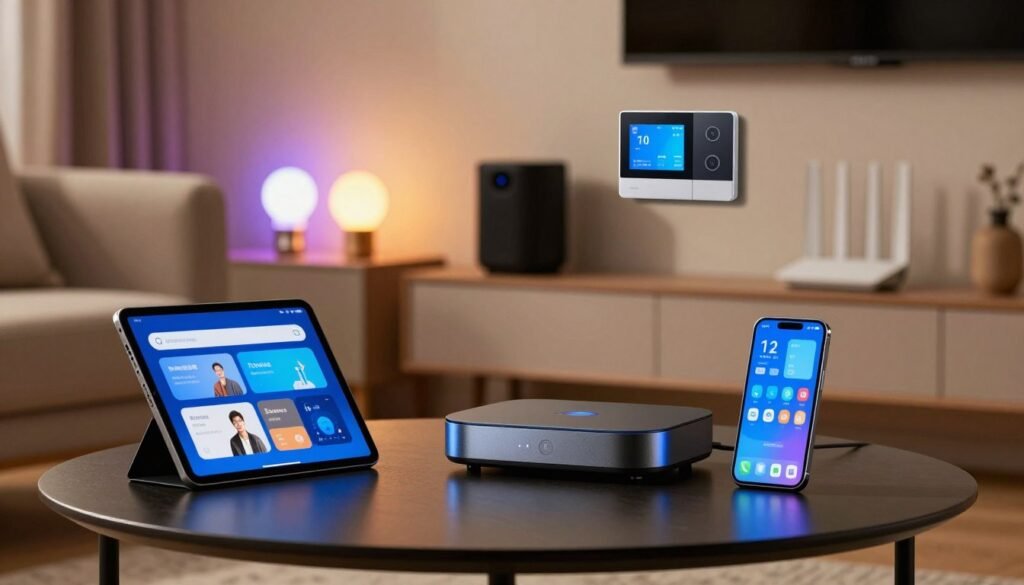
Apple HomePod (2nd Gen)
Overview
The Apple HomePod (2nd Gen) is a command center for Apple users. It’s a powerful hub for HomeKit-enabled homes, combining great sound with smart home control.
Pros
- Seamless integration with iPhone and iPad.
- Exceptional sound quality for its size.
- Advanced privacy features for voice commands.
Cons
- Limited compatibility with non-Apple ecosystems.
- Higher price point compared to basic speakers.
Features
This device uses Thread and Matter for reliable connectivity. It also adjusts audio based on your room.
Recommendations
It’s great for Apple users. It’s a top home automation system for those who value design and simplicity.
Conclusion
The HomePod (2nd Gen) is a premium choice. It improves your home audio and smart control.
Amazon Echo Hub
Overview
The Amazon Echo Hub is a wall-mounted panel for instant control. It’s a centralized dashboard for managing lights, locks, and cameras with a touch.
Pros
- Intuitive touch-screen interface.
- Broad compatibility with thousands of devices.
- Easy installation for wall mounting.
Cons
- Requires a dedicated power source.
- Interface can feel cluttered for beginners.
Features
The device has a customizable dashboard. It acts as a central nervous system for your home, offering real-time updates.
“The future of home automation lies in interfaces that are as intuitive as they are powerful, allowing users to control their environment with a single glance.”
Recommendations
This hub is perfect for a permanent control point in busy areas. It’s a versatile choice among the top home automation systems.
Conclusion
The Echo Hub is great for visual-first smart home management.
| Feature | Apple HomePod (2nd Gen) | Amazon Echo Hub |
| Primary Control | Voice/Siri | Touch/Alexa |
| Form Factor | Smart Speaker | Wall-Mounted Panel |
| Best For | Apple Users | General Compatibility |
Navigating Compatibility and Protocol Standards
To get your smart home integration just right, you need to know how your devices talk to each other. Modern hubs face a big challenge in figuring out wireless standards. This ensures all your gadgets work together smoothly.
Most homes use a mix of Wi-Fi, Zigbee, and Z-Wave. Wi-Fi is great for devices that need lots of bandwidth, like cameras. Zigbee and Z-Wave create a network that saves energy for things like sensors and switches. Knowing these differences is key to a stable home automation setup.
Using different brands can sometimes cause problems, but they’re usually simple to solve. If a device won’t connect, check if it needs a special bridge or if it works with your hub. Also, updating firmware is often needed to keep your system secure and up-to-date.
When picking devices, think about what each protocol is good for. Here’s a table that shows the main differences between common standards in homes.
| Protocol | Range | Best Use Case | Power Usage |
| Wi-Fi | High | Cameras & Streaming | High |
| Zigbee | Medium | Sensors & Lighting | Low |
| Z-Wave | High | Security & Locks | Low |
| Bluetooth | Low | Short-range Control | Very Low |
Understanding these standards is crucial for a smooth experience. Focus on smart home integration that ensures stable communication. Always check that your hub supports your devices’ protocols before buying.
The Role of Matter and Thread in Modern Integration
Modern smart home integration has moved beyond old, brand-specific systems. For years, devices from different makers wouldn’t talk to each other. This made users stick to one brand, limiting their options and functionality.
Matter has changed this by giving devices a common language. It lets devices from different companies work together easily. This shift puts the user first, not just the brand.
Thread is a mesh network that works with Matter. It keeps devices connected reliably without using a lot of power. This combo makes your smart home integration fast, stable, and responsive, even with more devices.
Buying hubs that support Matter and Thread is smart. It means your home will work with new products easily. This move towards working together is a big step for the industry.
| Feature | Legacy Systems | Modern Matter/Thread |
| Interoperability | Limited/Proprietary | Universal/Open |
| Connection Type | Cloud-Dependent | Local/Direct |
| Setup Complexity | High/Manual | Simple/Automated |
| Future-Proofing | Low | High |
Choosing hardware that supports these standards is key for smart homes. Smart home integration is now a must, not just a nice-to-have. By using these technologies, you make your home flexible and smart.
Security and Privacy Considerations for Connected Homes
Your peace of mind depends on how well you secure your connected home solutions against digital intruders. As you add more devices, the risk of unauthorized access grows. A proactive defense strategy keeps your data private while you enjoy automation.
One effective way to protect your home is by using devices that process data locally. This reduces the risk of breaches. Also, make sure your router firmware is up to date to fix known vulnerabilities.
The Vivint Smart Home security system offers 24/7 monitoring to keep your home safe. This service adds human oversight that software can’t match. When choosing connected home solutions, look for brands that use end-to-end encryption for all data.
The table below shows important security features to look for in new smart home devices:
| Security Feature | Benefit | Implementation Level |
| End-to-End Encryption | Prevents data interception | Essential |
| Two-Factor Authentication | Blocks unauthorized logins | Mandatory |
| Local Data Storage | Keeps footage private | Recommended |
| Professional Monitoring | Immediate emergency response | High Security |
Keeping your home secure is an ongoing effort, not just a one-time task. By using strong hardware and smart digital habits, you can enjoy connected home solutions safely.
Future Trends in Innovative Home Technology
Our homes are becoming smarter, thinking for themselves. We’re moving from manual controls to proactive systems that guess what we need. This change is the real future of smart home technology.
New hardware is keeping up with these demands. For example, the Smart Hub Pro 2 has 4x more power than before. This means your hub can handle complex tasks quickly and smoothly.
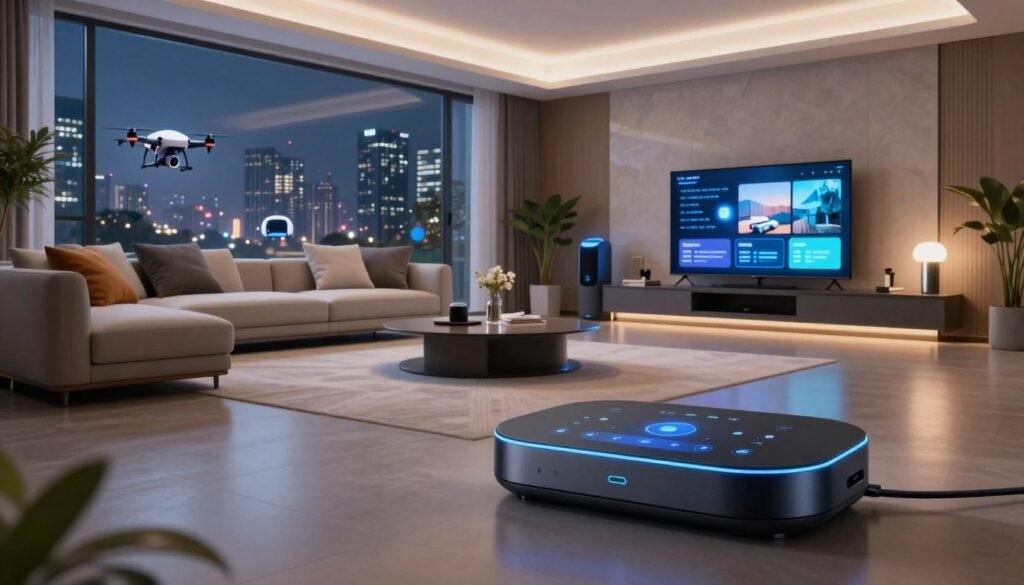
Several important home automation trends are changing how we live. These trends focus on making our homes more efficient and reliable:
- AI-Driven Energy Management: Systems now learn your habits to save on heating and cooling costs.
- Predictive Maintenance: Your appliances can warn you about potential problems before they cost a lot to fix.
- Contextual Awareness: Homes are getting better at knowing when you’re home and adjusting lights or security accordingly.
By choosing innovative home technology now, you’re getting ready for the future. These tools make your home more responsive and efficient as technology advances. Adopting these home automation trends today sets a strong base for a smarter, more connected life.
The future of smart home technology is more than just gadgets. It’s about creating a home that supports your health and well-being. As you add more innovative home technology, your home becomes a smart partner in your daily life.
Conclusion
Turning your home into a smart space begins with the right start. Good hardware is key, making sure all your devices talk smoothly. This means lights, locks, and sensors work together seamlessly.
Choosing top-notch connected home tech is a smart move. It keeps your home safe and energy-efficient. These systems make your life easier, adapting to your daily needs.
Go for open standards like Matter to keep your options open. This way, you can mix brands like Samsung, Apple, and Amazon. It saves money and lets your home grow with you.
Start making your home smarter today by checking your devices. Modern tech lets you control your home from anywhere. Begin your journey to a smarter home now.
FAQ
What makes a device the best smart home hub in 2026?
The best hub in 2026 works locally, supports Matter and Thread, and integrates well with many brands. It should work smoothly with devices like Philips Hue, Lutron, and Ecobee.
How do current home automation trends affect my purchasing decisions?
Today’s trends focus on energy saving and AI insights. Look for hubs that help you save energy and offer predictive maintenance. This ensures your home is smart and efficient.
Are the latest smart home devices compatible with older hubs?
Many new devices use Matter for compatibility, but older hubs might not support it. Upgrading to a 2026 hub ensures your home stays connected and secure.
Why is local processing important for top home automation systems?
Local processing keeps your home working even without internet. It also makes your home faster and more private by keeping data local.
Can I mix different brands in one smart home integration setup?
Yes, Matter makes mixing brands like Samsung, Apple, and Google easier. Choose a hub that supports many protocols for a unified smart home.
What is the role of AI in the future of smart home technology?
AI will soon manage your home automatically, learning your habits to make life easier. This is the next step in smart home technology.